Description
The Print
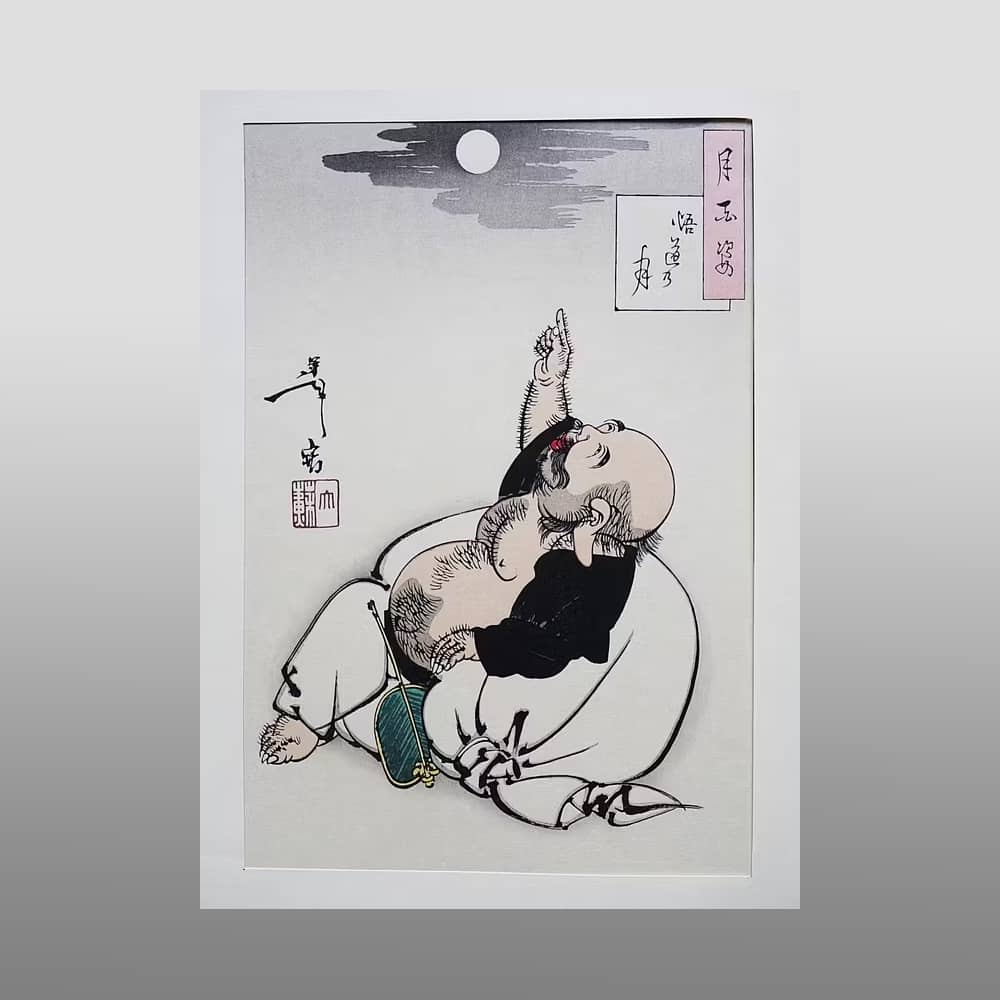
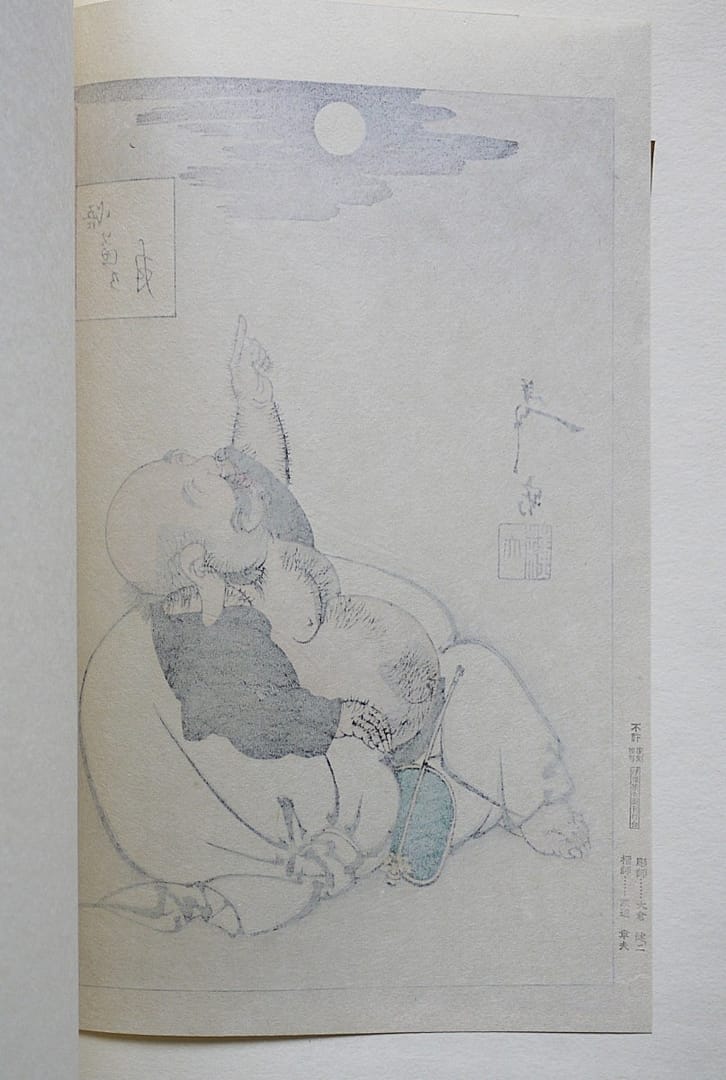
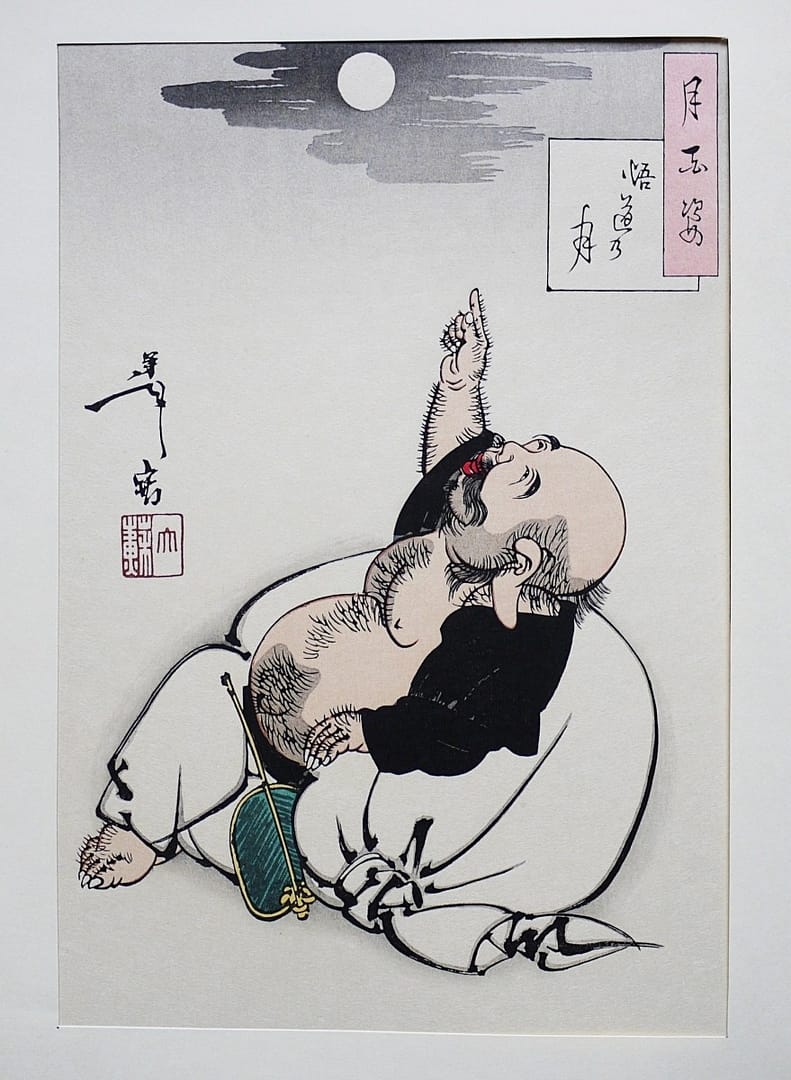
This is a faithful fukkoku (復刻, authorized re-issue) of one of the most recognizable designs from Tsukioka Yoshitoshi’s series Tsuki Hyakushi (月百姿, One Hundred Aspects of the Moon). The original design, titled Godo no Tsuki (悟道の月, Moon of Enlightenment), was first published in 1885 as part of Yoshitoshi’s monumental 100-print series exploring the theme of the moon across Japanese history, literature, and religion.
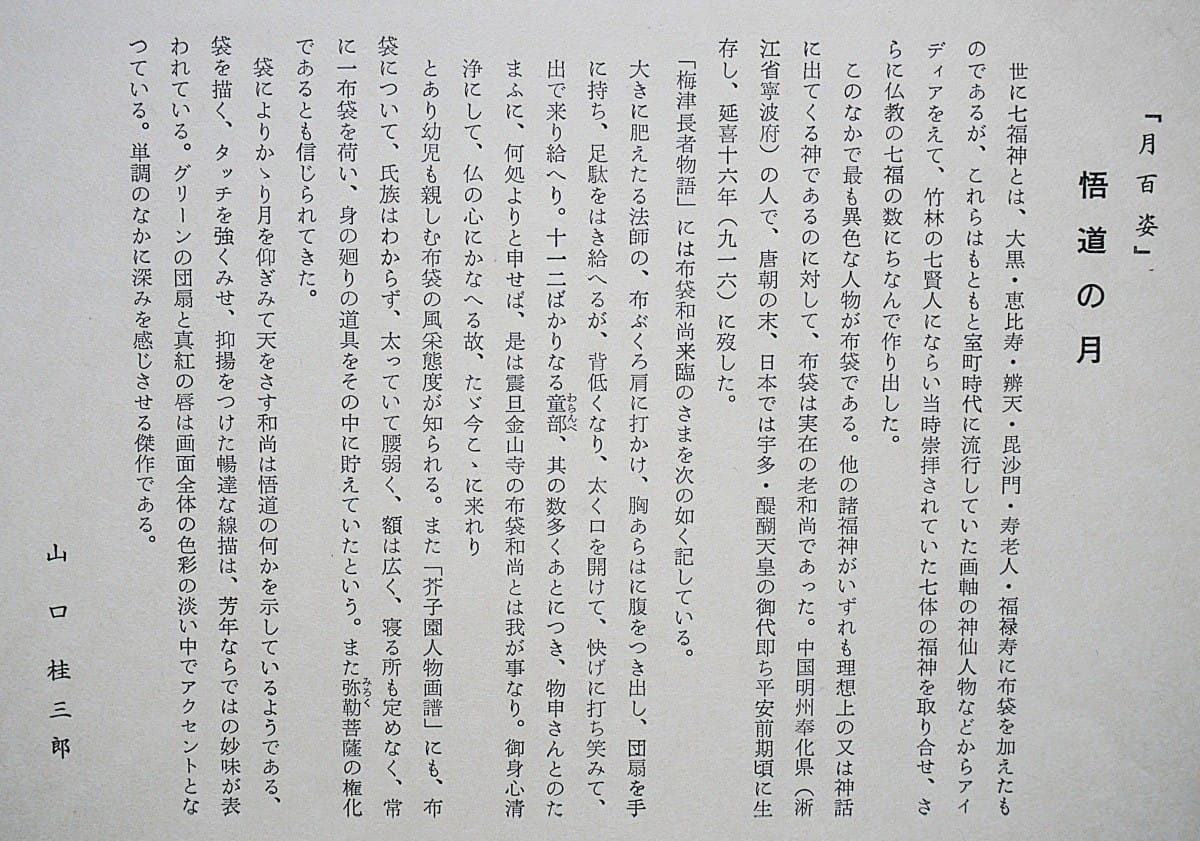
The composition shows Hotei (布袋), the laughing, corpulent figure counted among the Seven Lucky Gods (Shichifukujin), gazing upward and pointing a single finger at a full moon partially veiled by clouds. The image illustrates a central Zen Buddhist teaching: the finger that points at the moon should not be confused with the moon itself. In other words, words, scriptures, and teachings are tools that point toward reality — they are not reality. The aphorism originates in the Laṅkāvatāra Sūtra and Śūraṅgama Sūtra, and became a cornerstone of Chan and Zen pedagogy.
The print is rendered primarily in shades of grey and black — sumi tones — with subtle bokashi (gradation) in the sky around the moon. Yoshitoshi’s signature and Taiso seal appear at left.
The Artist
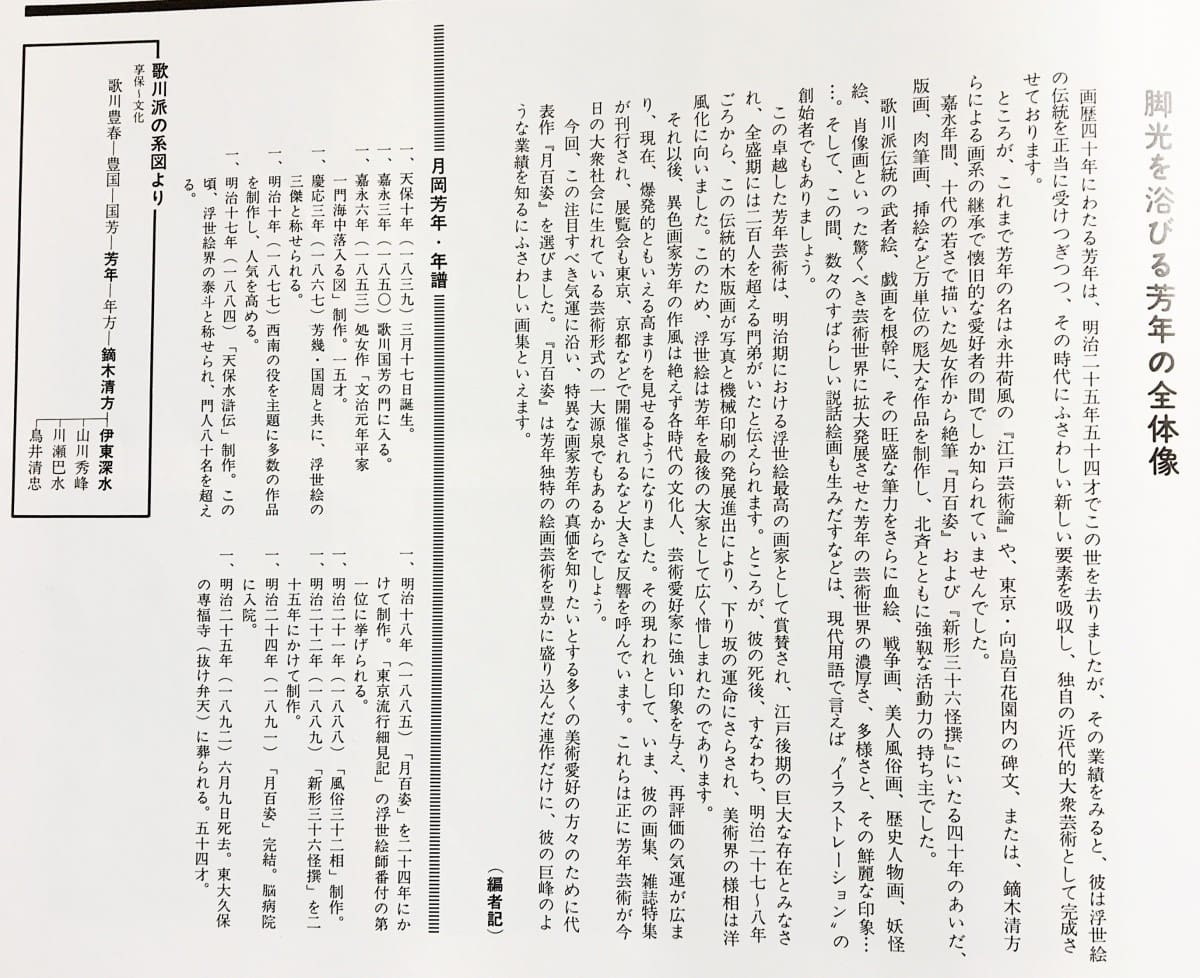
Tsukioka Yoshitoshi (月岡 芳年, 1839–1892) is widely regarded as the last great master of the ukiyo-e tradition. Born in Edo (Tokyo), he studied under Utagawa Kuniyoshi and became active during the tumultuous final decades of the Edo period and the early Meiji era. His earlier work is known for intensely violent and macabre subjects (muzan-e), but his later career — particularly the 1880s — saw a turn toward more refined and psychologically complex compositions. One Hundred Aspects of the Moon and New Forms of Thirty-Six Ghosts (Shinkei Sanjūrokkaisen) are generally considered the pinnacles of his output. His work bridges the traditional ukiyo-e aesthetic with early modern Japanese visual culture, and his prints are held in major museum collections worldwide, including the Art Institute of Chicago, the British Museum, and the Museum of Fine Arts, Boston.
The Series: One Hundred Aspects of the Moon
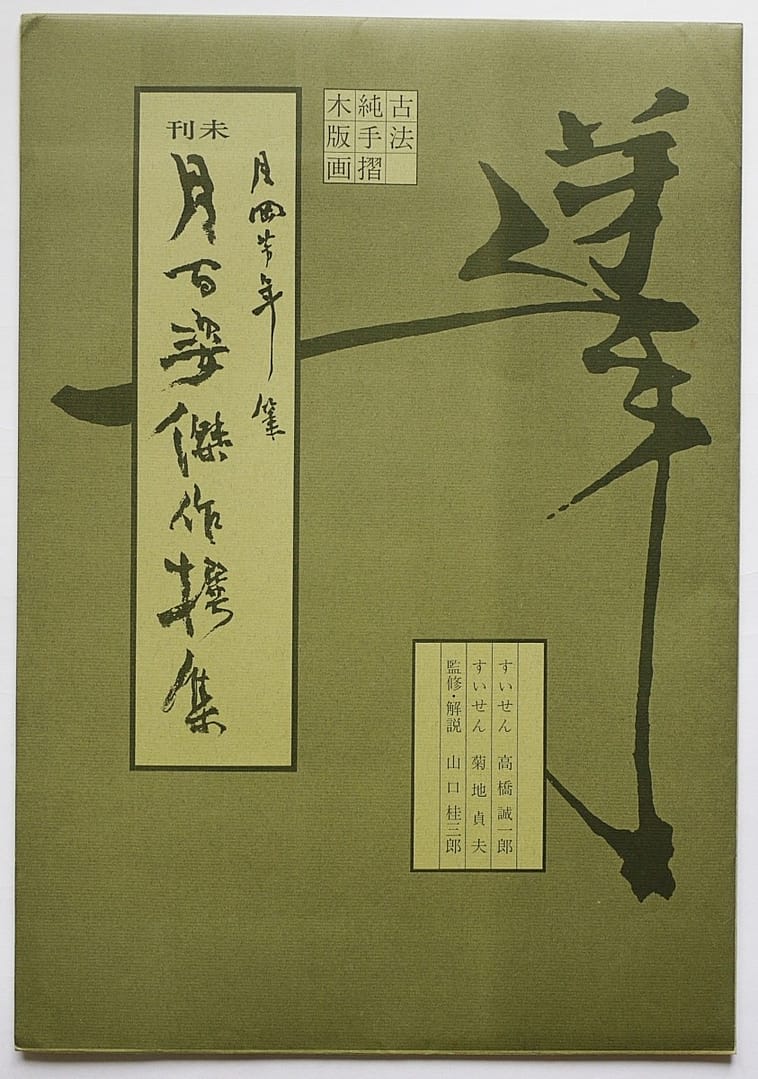
Tsuki Hyakushi was published between 1885 and 1892 by Akiyama Buemon (秋山武右衛門) under the Kokkeido imprint. It comprises 100 ōban-format prints, each treating the moon as a compositional and thematic anchor across an enormous range of subjects: historical battles, literary scenes, Noh theatre, Buddhist parables, Chinese legends, and moments from daily life. The series is Yoshitoshi’s most collected work and is considered one of the finest print series of the Meiji period.
About This Impression (Fukkoku)
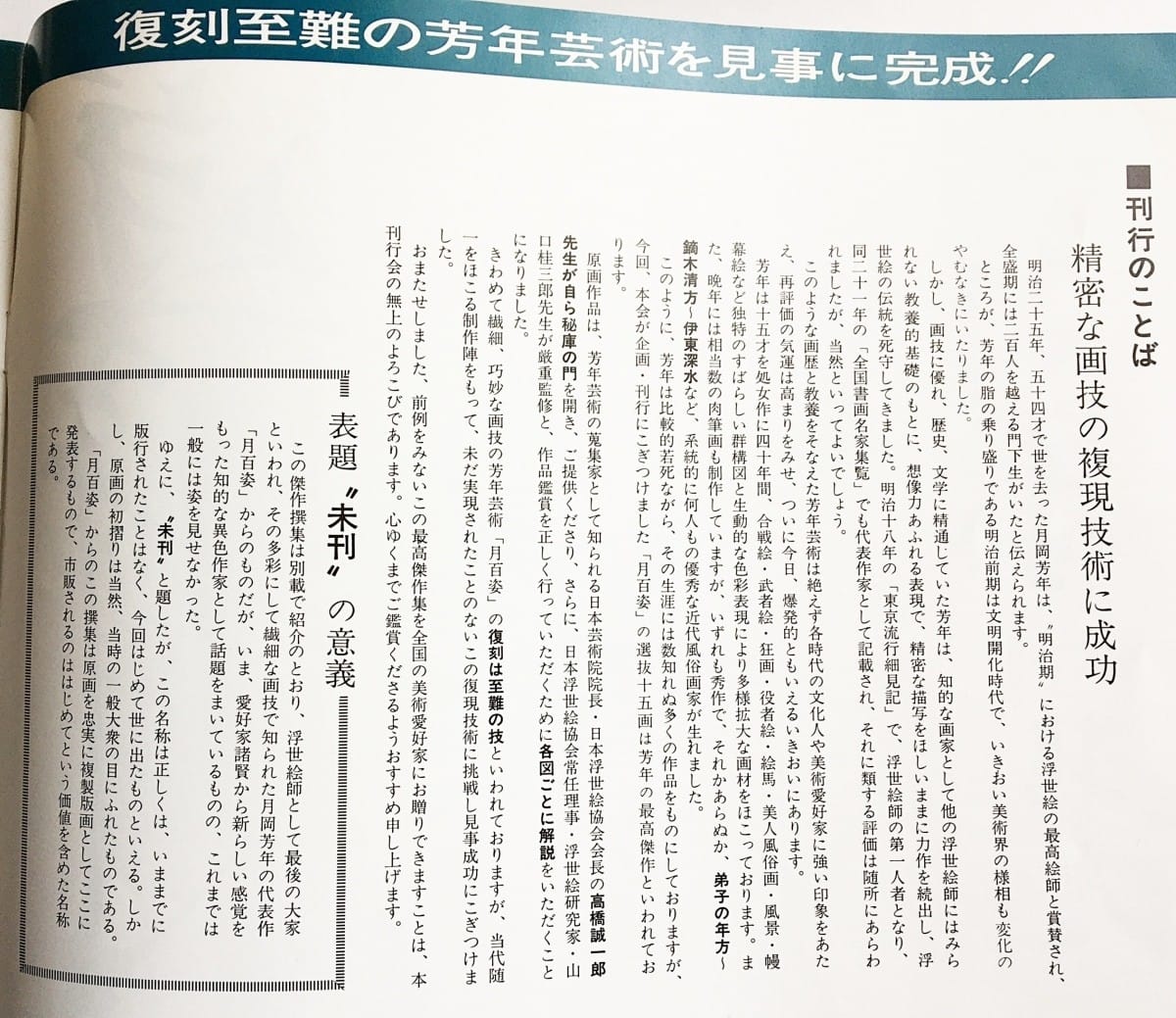
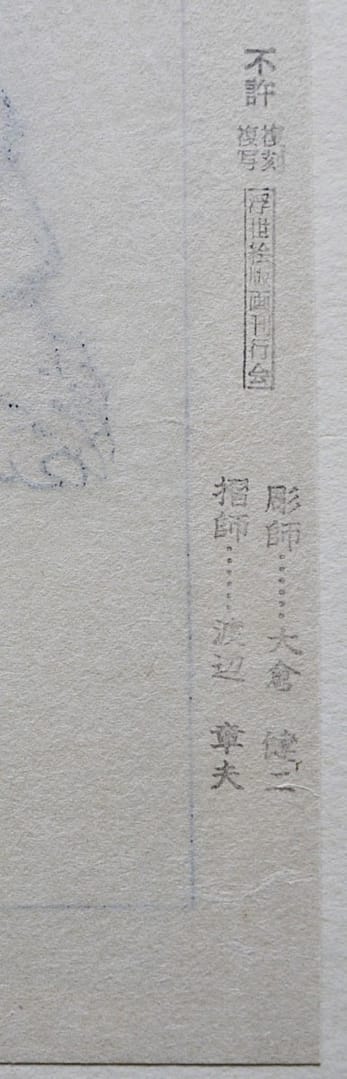
This is not an original Meiji-period impression. It is a fukkoku — a later authorized re-issue produced using traditionally carved woodblocks and hand-printed in the orthodox mokuhanga technique. The blocks were carved by Kenji Okura (小倉健二) and printed by Akio Watanabe (渡辺明夫), under the auspices of the Ukiyoe Print Publishing Society (浮世絵版画刊行会). Fukkoku editions are valued for their fidelity to the original design and their use of traditional materials and methods. They offer collectors access to iconic compositions at a fraction of the cost of Meiji-era originals, which for prints from this series can reach several thousand euros at auction.
Condition
Good. The print is mounted on board (48 × 33 cm). Colours are fresh, registration is accurate. Minor age-related toning to the mount. No tears, holes, or foxing observed.
The Zen Teaching: Finger Pointing at the Moon
The teaching illustrated here is among the most widely known analogies in Zen Buddhism. A teacher points at the moon to direct a student’s attention toward it. If the student fixates on the finger — the words, the method, the doctrine — they miss what is being indicated: reality itself, or in Buddhist terms, satori (enlightenment). The Zen master Ryōkan (1758–1831) expressed this in a poem: “Relying upon a finger, we see the moon / Relying upon the moon, we understand the finger / Moon and finger are neither the same nor different.” By depicting Hotei in this act — the jovial, unorthodox figure who in East Asian tradition is sometimes identified with the future Buddha Maitreya — Yoshitoshi chose a subject perfectly suited to the theme of his moon series: the moon as metaphor for what lies beyond ordinary perception.
Framing & Display
The print is already mounted on board and can be displayed as-is or reframed. If reframing, we recommend UV-protective glass and acid-free matting to preserve the paper over time. The neutral palette suits both traditional Japanese and modern Western interiors.